
Streedagh Devotional
A photographic essay.

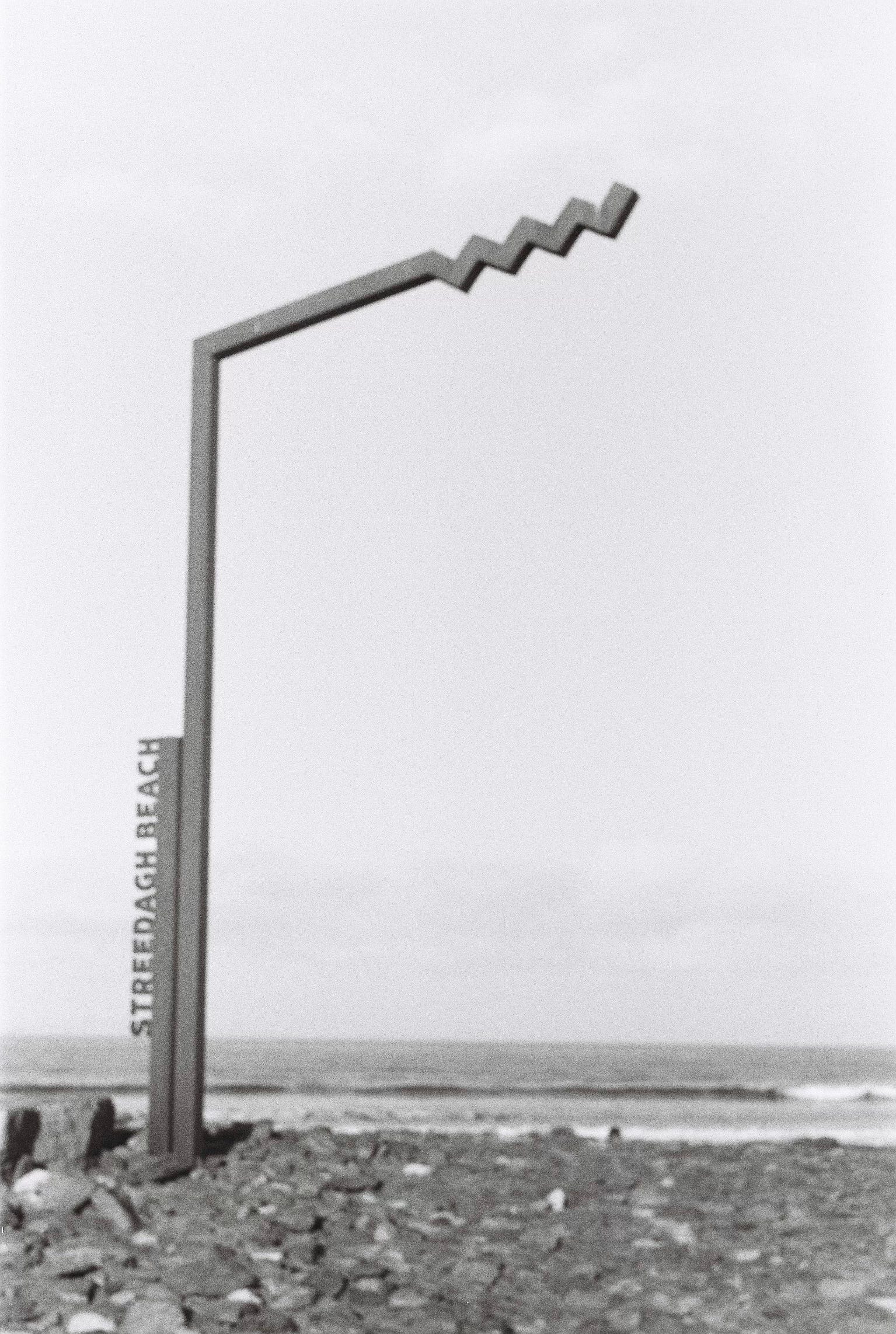
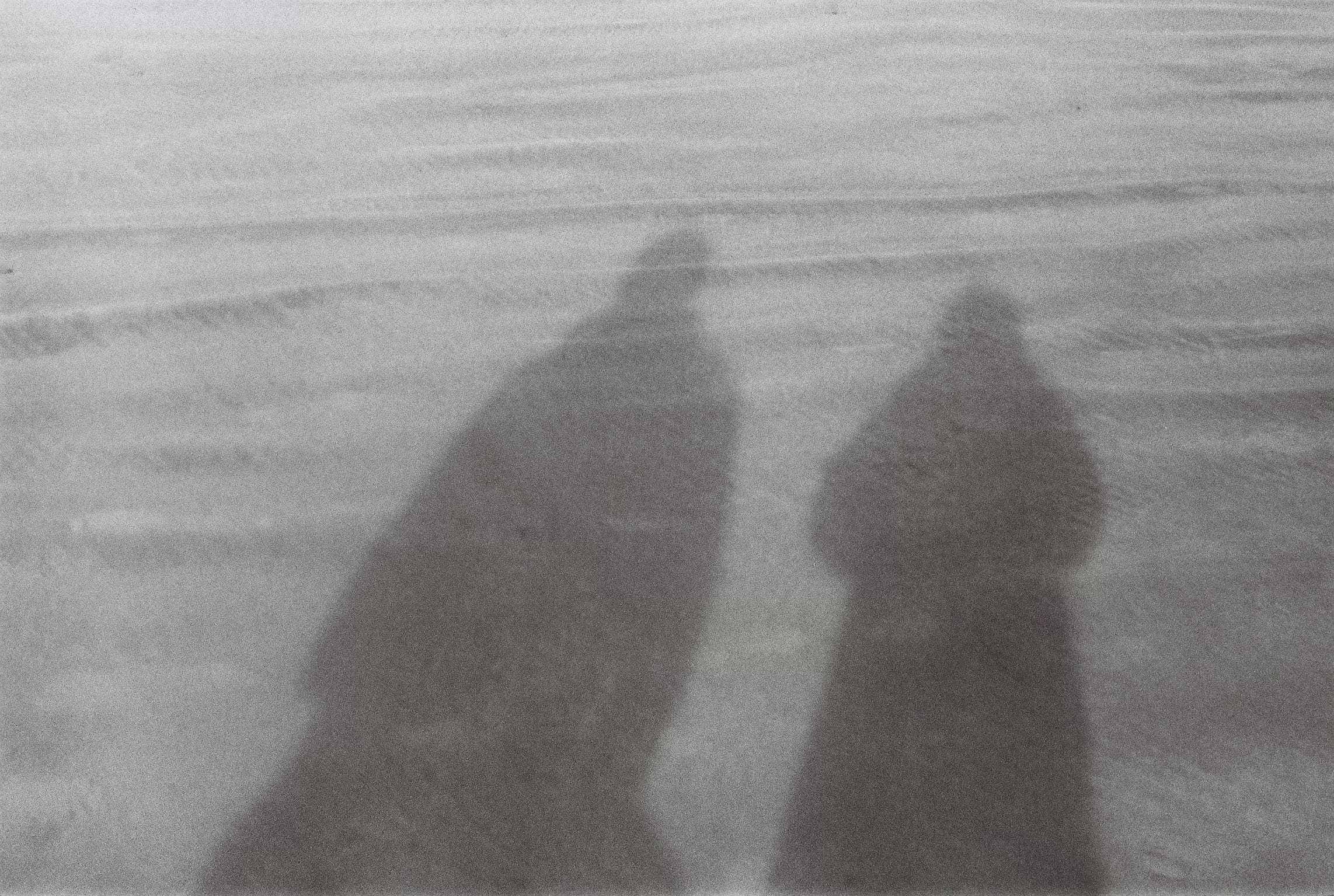
Last month we walked the three kilometre-long Streedagh Beach as far as Connor’s Island. This is where Spanish Armada ships ran aground, where surfers unite, where gannets make arrows of their bodies to pierce the water. The sun was adrift in a clean-swept sky, dazzling on the water, casting long shadows beside us.
The pile of coats, shoes and socks on the sand made it seem like the children had vaporised. They stalked us from the dunes, scratching their hands on marram grass, energised by unfiltered sunlight. I was glad the tide was out and the children were at large - I needed space.
At the coast rage is mirrored - all those waves throwing their weight around. The Atlantic sends me a very consistent message: I can take it; your fury has nothing on mine.
Once, as an undergraduate student, I pummelled Portstewart Strand in the aftermath of a storm. The high tide line was littered with seaweed, driftwood and the silver bodies of fish. The dead were too numerous to count. Among them I found a nursery of sharks’ eggs tethered to the kelp, some plump with life. I dragged it down to the water and attempted to give it back. With every wave the sea refused, drawing into itself, beaching the kelp at my feet.
Another time, in Mozambique, we found a lifeless triggerfish in the shallows. We carried it to our campsite and set about disarming it, slicing beneath the colourful plates, removing its head full of sharp teeth and deceptively puckered lips. The sweetest meat was in the neck - we pan fried it on our propane stove and fed the guts to the cats.
At Streedagh the tide was on the turn; little pools shivered in the wind.


There are certain heartaches only the wild can entertain. The ocean does not ask me to consider its needs; it simply exists and sends indifferent waves to brim the banks of my shoes. I read somewhere: ‘Patience, patience is what the sea teaches.’ There are times I am exhausted just thinking about the sea, its enslavement to the moon, withdrawing only to return again, and again, and again. I still have so much to learn.
When we reached Conor’s Island, the children were nowhere to be seen. This is where ships were wrecked, where the ocean is treacherous from sunken reefs and conflicting currents. On a bright February day it appeared harmless - but I wasn’t fooled.
The children sensed a picnic and came running - a vision that can settle the worst strung heart. We found a good spot, unpacked our goods and settled with a view of Inishmurray.


‘In the winter I am writing about, there was much darkness,’ Mary Oliver writes. ‘Darkness of nature, darkness of event, darkness of the spirit. That sprawling darkness of not knowing.’ The beach that day brought reprieve from such a winter. A chance to shake the darkness from my body, to take those shining coils of sun into my pores, to soak in light.
We climbed a sand dune. I could fit the entire headland into my frame of vision: the soft curve of bay, the Back Strand with its megalithic wedge tomb and the speck of an enthusiastic dog in the surf. As we crossed the tip of the Streedagh peninsula, Ben Bulben rose clean-edged and hefty on the horizon.


There are two sides to Streedagh: one where the Atlantic tosses and turns, all rideable swell and high energy breakers; the other is salt marsh where curlews strut and the land takes on the look of a drained bath. We hunted there for treasure, things the tide laid down. I searched for hagstones, those mythical pieces of rock in which a perfect circle has been hewn. To look through one is to see things as they really are. I have one on my writing desk - call me superstitious but I am in need of vision.
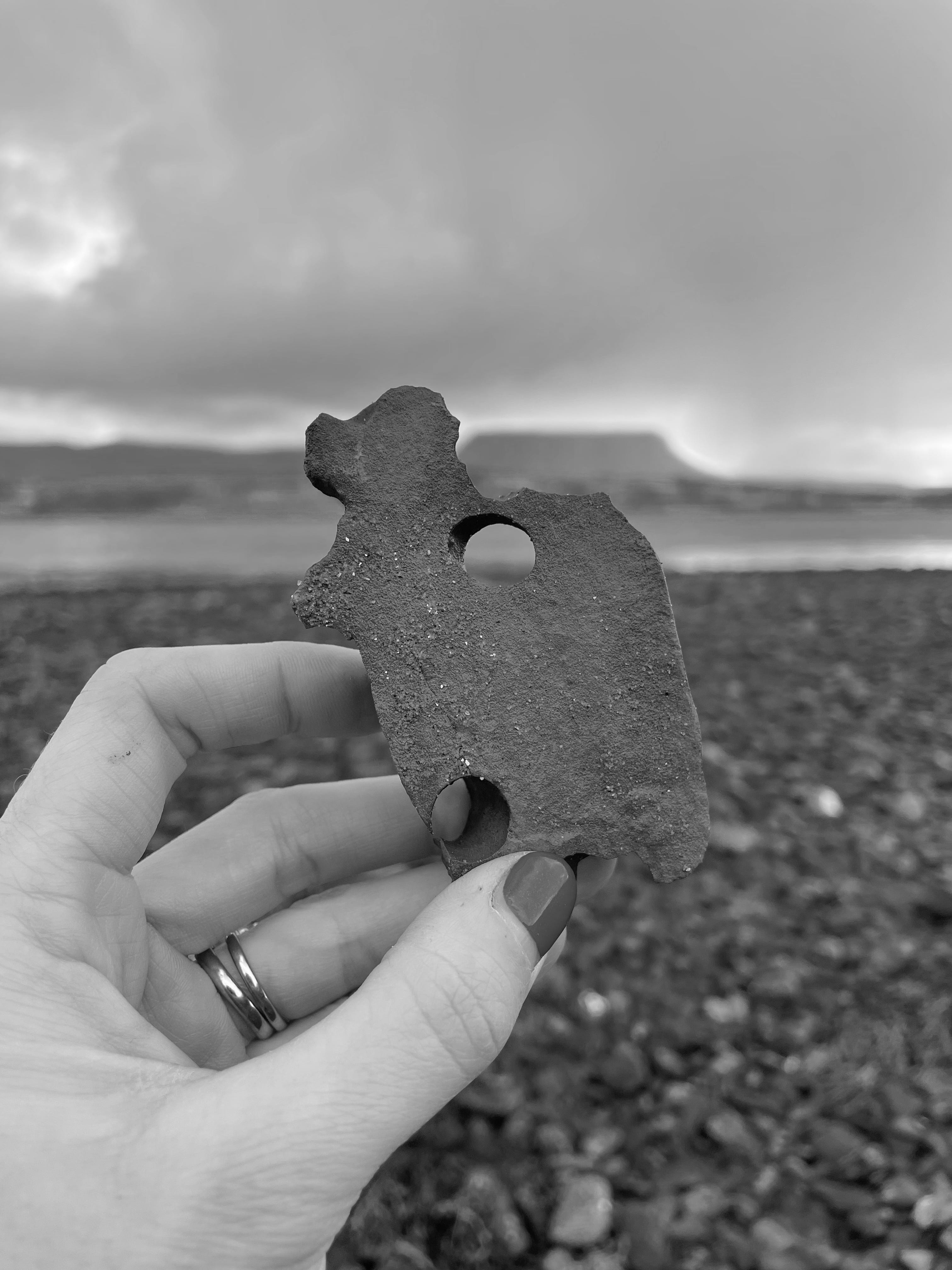
Emerging from winter this year is a gradual one-step-forward-two-steps-back kind of dance. Like the frogs who appeared last Thursday in the garden, the wood pile, the crack behind our bath, and followed the well worn paths to the lake. After months of no frogs, frogs everywhere. Their bright eyes and wet skin, green like new leaves, their heartbeats racing to catch up. Then, when the puddles are full of spawn, they disappear again and we are left to guess at their whereabouts. Bereft.
There is a chance you, too, are a shadow of yourself this spring. Crotchety. Eager for brighter days but slow to embrace them. Might I suggest some lovely books to help ease the transition:
Hymn to all the Restless Girls, dark, ominous poetry with ravens aflight in the margins.
Known and Strange Things, a collection of luminous essays by American-Nigerian author, Teju Cole.
Stoneyard Devotional - simply beautiful.
I am also anticipating the release of books by my favourite authors: A Beautiful Loan by Mary Costello; Jan Carson’s Few and Far Between and Elizabeth Strout’s The Things we Never Say, to name a few.
My book, Familiar, will be available to pre-order soon. In the meantime, here are some dates to put in your diary, if you are in Ireland - I would love to see you there.
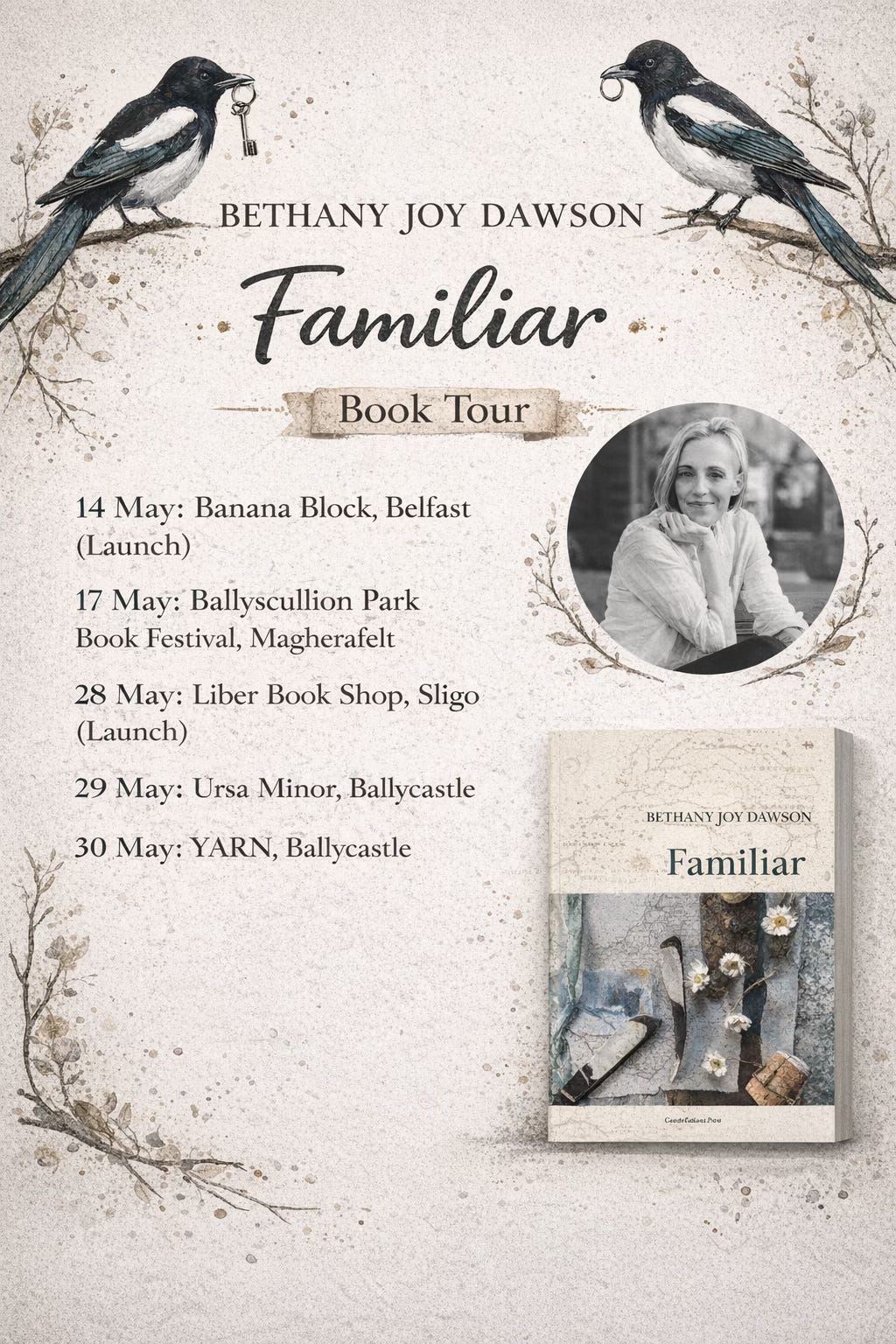
I also love the cover, Bethany. Reading your prose makes me eager to read more. Can’t wait for the tour! Taking pain to the ocean reminds me of Mary Oliver’s poem where the sea replies, ‘Excuse me, I have work to do.’ Maybe that’s where we learn to keep going, again and again. Beautiful photographs with your new /old camera.
Awh, that's the cover of your book! It's beautiful!